Return water to the people
Mr van der Linden, you are a member of the steering committee of the Swimmable Cities Alliance. What is the idea behind the alliance?
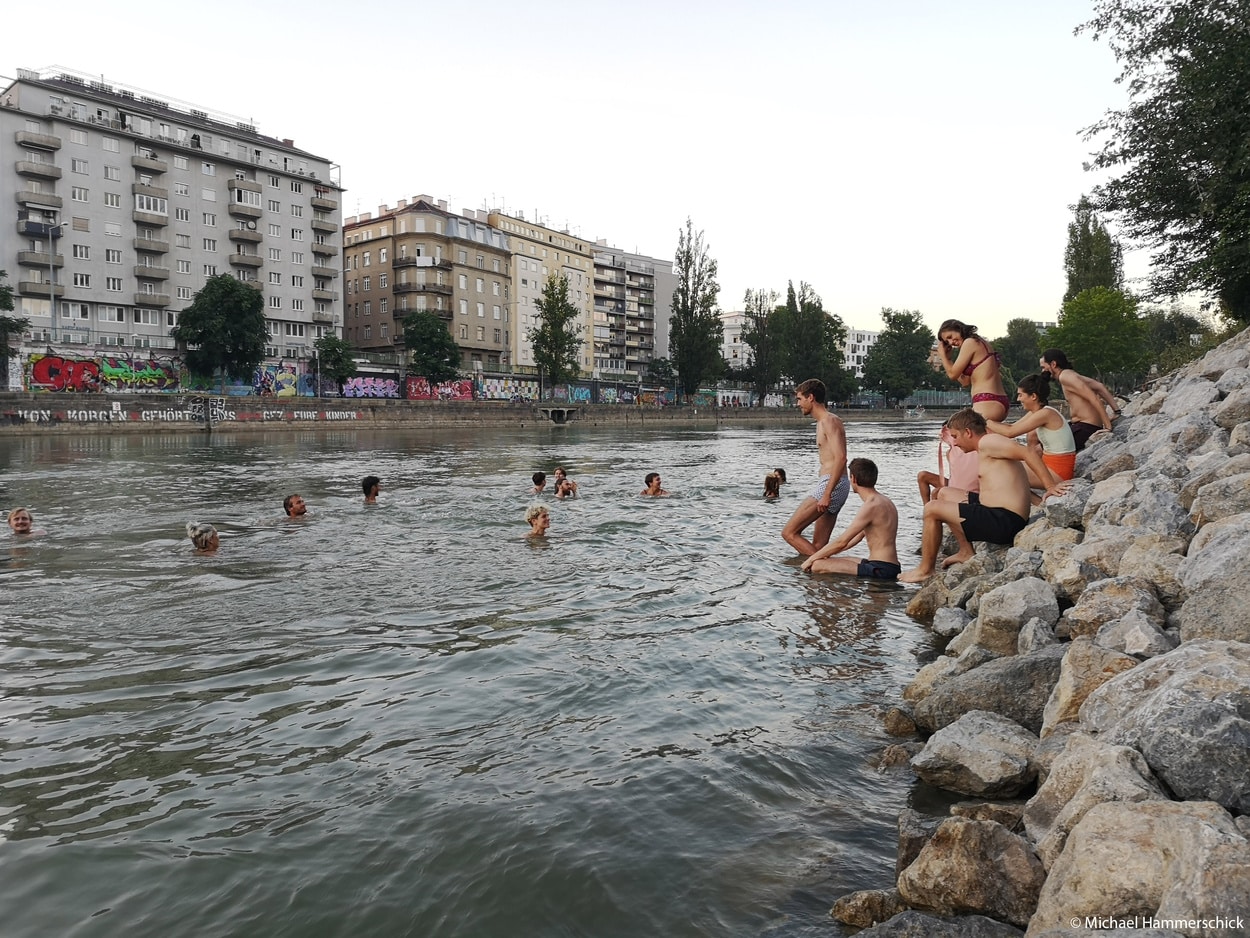
People have been swimming in cities for ages. However, over the last hundred years more and more urban river bathing spots in Europe have had to close due to excessive pollution. For some time now though, there has been a growing number of initiatives striving to improve the ecological quality of urban waterways and make them swimmable again.
The founding members of the Swimmable Cities Alliance include associations and initiatives such as Flussbad Berlin and the Donaukanal Swimming Club in Vienna. Many stakeholders were already in dialogue with one another. The initiative was launched with the publication of the “Swimmable Cities Handbook” by the Australian consultancy Regeneration Projects in autumn 2023. The Alliance currently comprises 230 organizations and 115 cities across nearly 40 countries and six continents.
What are the Alliance’s objectives?
We aim to support cities worldwide in giving the water back to their residents while restoring nature in the water at the same time. After all, swimmable waters are a key indicator of a city’s quality of life. We see ourselves as a platform for exchanging experiences and knowledge, and we cater to both activists and decision-makers in politics and administration. To convince city officials of our cause, we highlight the link to broader issues such as climate resilience and biodiversity.
It is also important to us to highlight the social aspect of this issue: people on low incomes often cannot afford to go on holiday to the seaside to cool off. Swimming facilities close to home are essential for these people during hot summers.
How is the Alliance organized?
In principle, any city can become a member – regardless of its size or location. All that is required is to sign the Swimmable Cities Charter, thereby affirming support for our ten principles. Signing the Charter is more akin to a declaration of intent than a contract. An international steering group, currently comprising seven members, is responsible for the Alliance’s strategic direction.
What role does the swimmability of rivers and canals play in sustainable urban development?
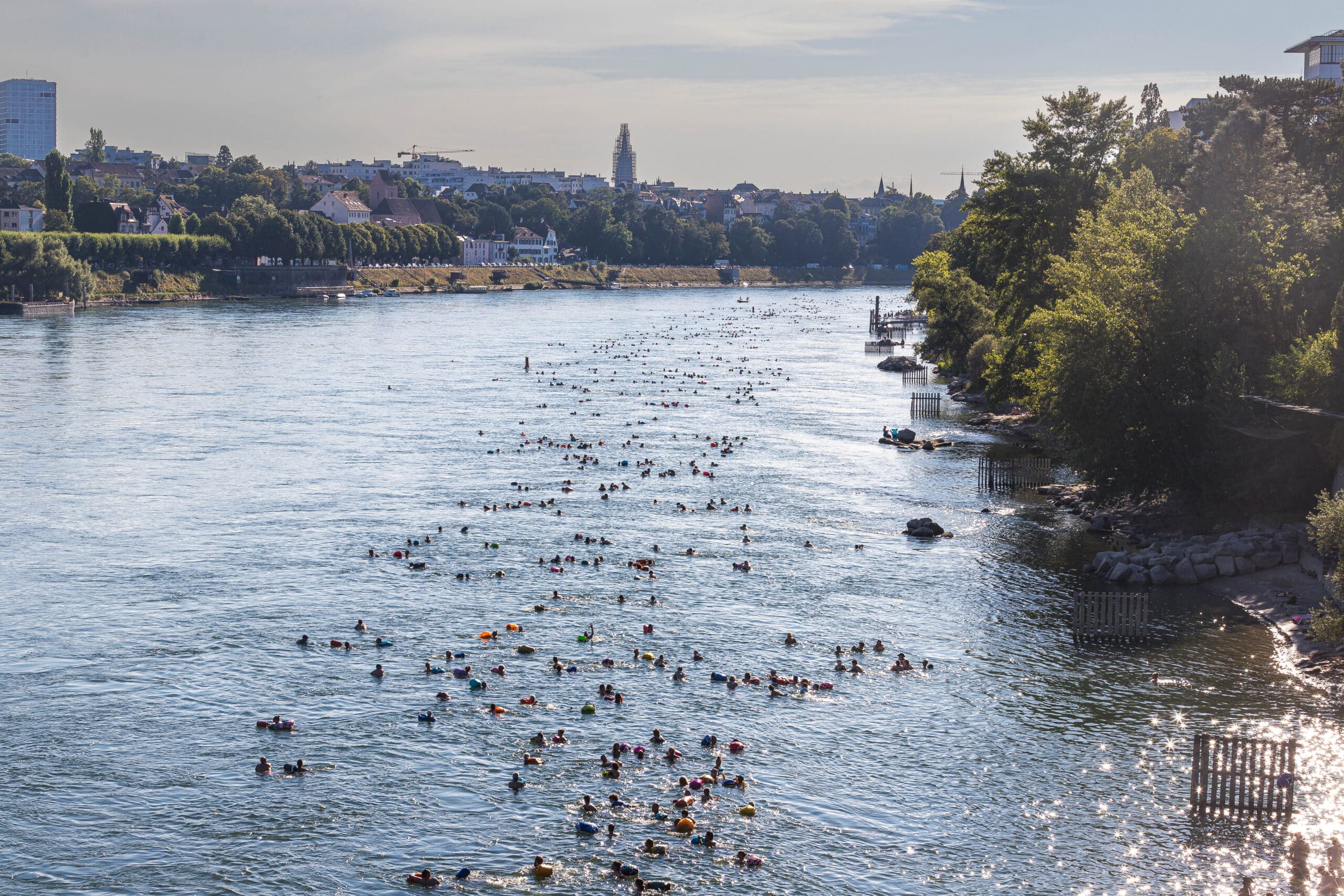
Apart from drinking and washing, people are physically never closer to water than when swimming. For that reason alone, urban water bodies offer great emotional potential. Whether in terms of recreational value, climate resilience or biodiversity – swimmable water bodies offer many positive effects that reinforce one another. A prime example of people- and climate-friendly urban development is Paris under Mayor Anne Hidalgo. In 2025, the first river bathing areas on the Seine were opened to the public – something that would have been unthinkable just ten years ago. Switzerland is also a role model. In the city centers of Basel, Zurich and Bern, people have been swimming in rivers and canals for decades. Instead of going for a jog in the morning, people simply go for a swim right on their doorstep.
What obstacles currently stand in the way of creating swim-friendly cities for everyone?
The pollution of urban waters by wastewater from sewage overflows, chemicals, rubbish, microplastics or fuel residues remains the central problem. Time and again, we also encounter legal hurdles and a lack of willingness to change on the part of the responsible authorities – even if only out of concern that people might drown in the water. Yet towns and cities should design their waterways in such a way that all residents can use them safely, regardless of their swimming ability.
A milestone for the Alliance was the Swimmable Cities Summit 2025 in Rotterdam. What were the key outcomes of the summit?
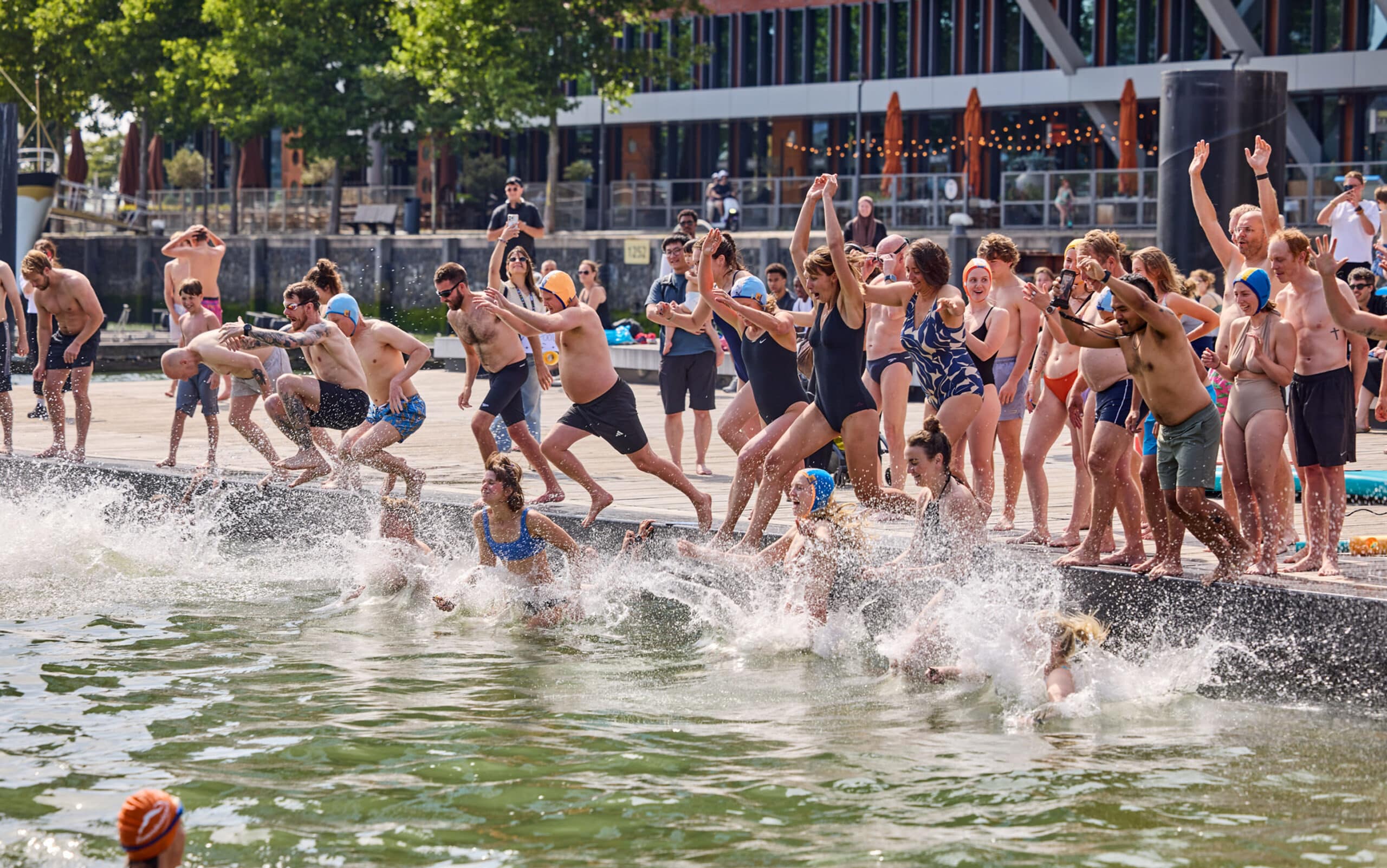
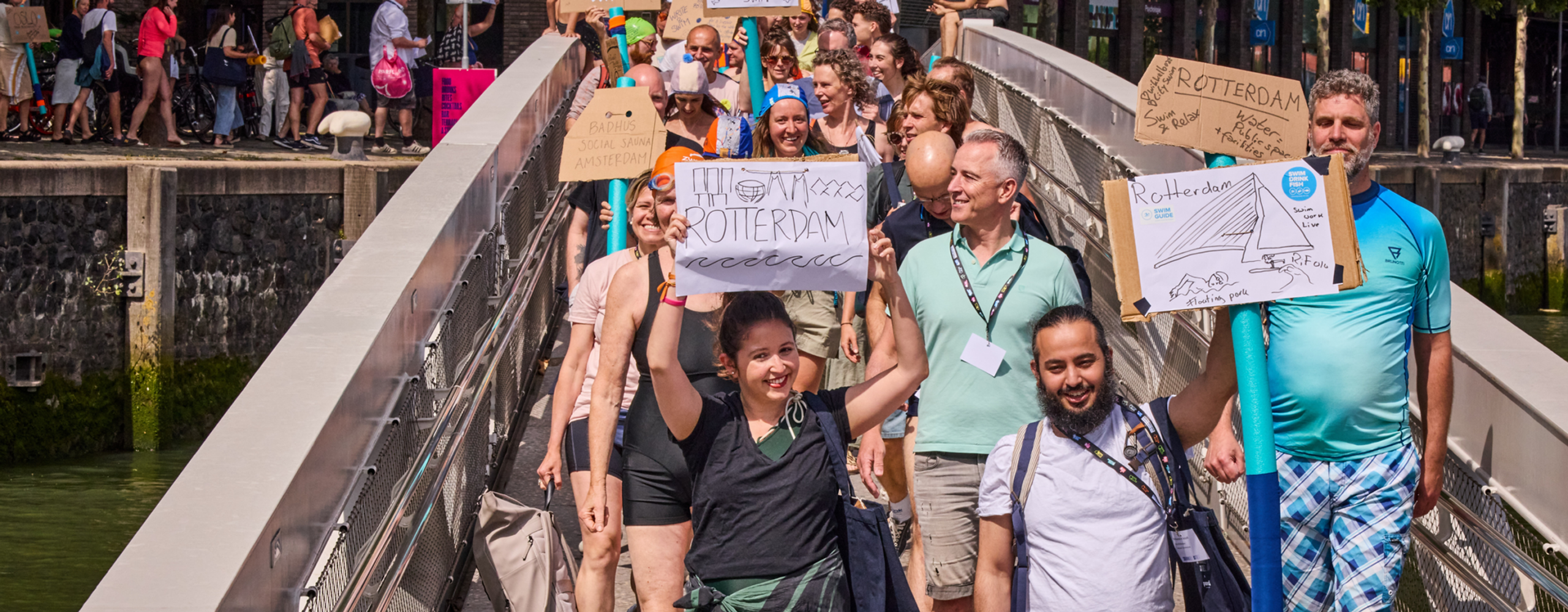
The summit brought together government representatives, activists and business leaders for talks and workshops. During the breaks, we all went swimming together. A key focus was on infrastructure to create access to urban waters – from the more conventional swimming pool to the city beach. In doing so, we are also seeking to engage with property developers to realize projects in collaboration with public sector clients.
What goals have you set for the upcoming 2027 summit?
We would like to take our vision of water as a central element of livable urban spaces beyond Europe and North America to other parts of the world. We are currently in discussions with various cities regarding the organization of the summit. The keen interest and positive response to our themes are a great source of motivation for us. Just last January, we invited 50 mayors from around the world to a round-table discussion. This reinforces our commitment to continuing our inclusive approach. We don’t tell doom stories but rather highlight solutions.
By 2030, the Alliance aims to showcase 30 model cities with swimmable waters. How far along are they on this journey at present?
We are confident of achieving our goal. Furthermore, by then at least 300 cities are also set to be working on making their waters swimmable through concrete measures. One of the major challenges is preventing sewage from entering rivers. But the more cities that join our movement, the more everyone benefits from sharing ideas with one another.
Furthermore, technological advances give us cause for optimism. Whereas measurement results used to take two days to become available, water quality can now be monitored in real time. This allows us to inform people more reliably whether the water is clean or not. At the same time, we are collecting data that helps us to better understand and evaluate water quality – without the need for complex forecasting models, such as those used in weather forecasting.
Biography
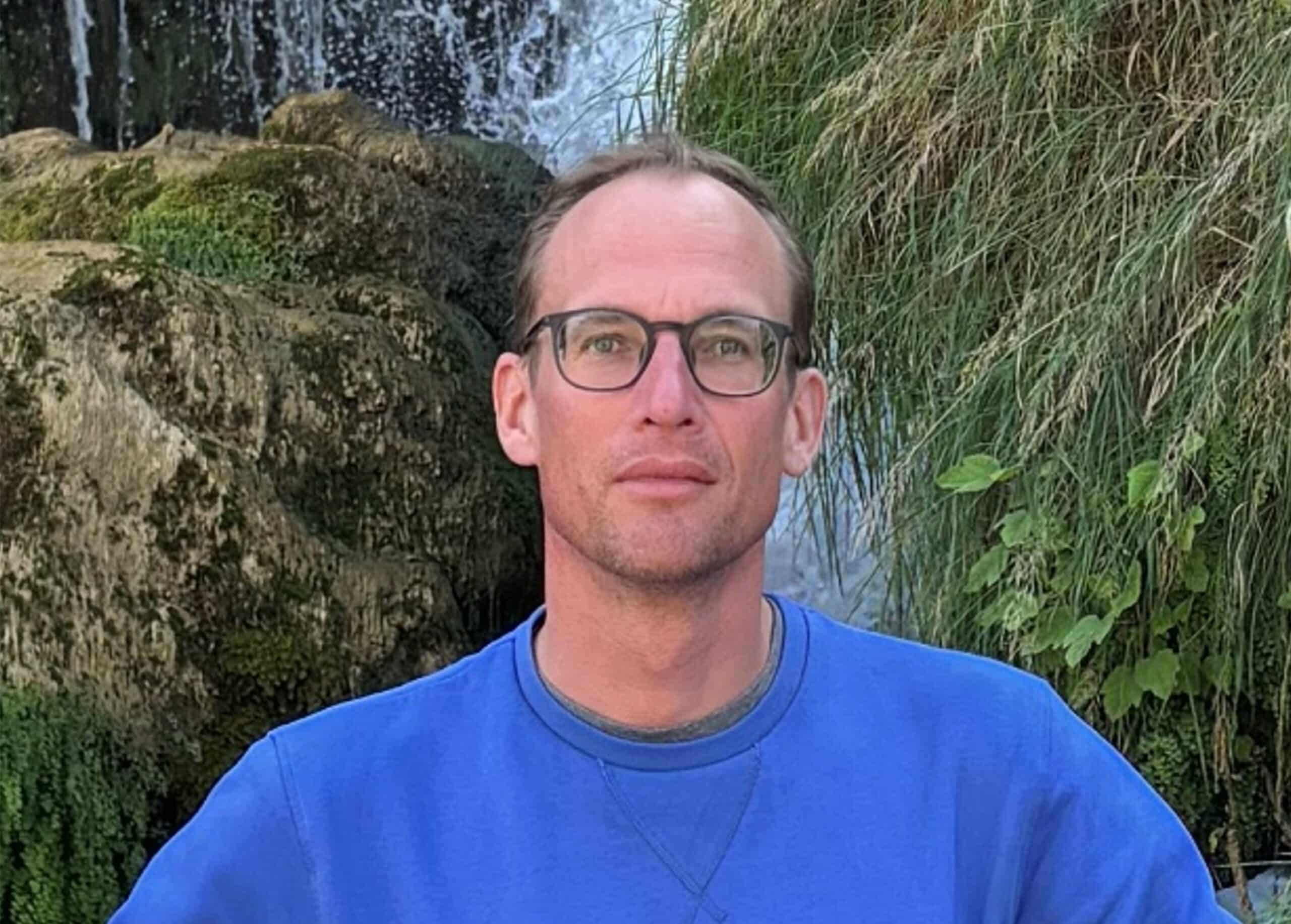
Adriaan van der Linden is Development Manager at Leisurelands and works on the quality, safety, and overall experience of recreational areas in the Netherlands. With a large number of swimming locations under management, bathing water plays an important role in his work. He is actively involved in the international initiative Swimmable Cities and regularly speaks at national and international events.