
"At its heart, our work is about healing."
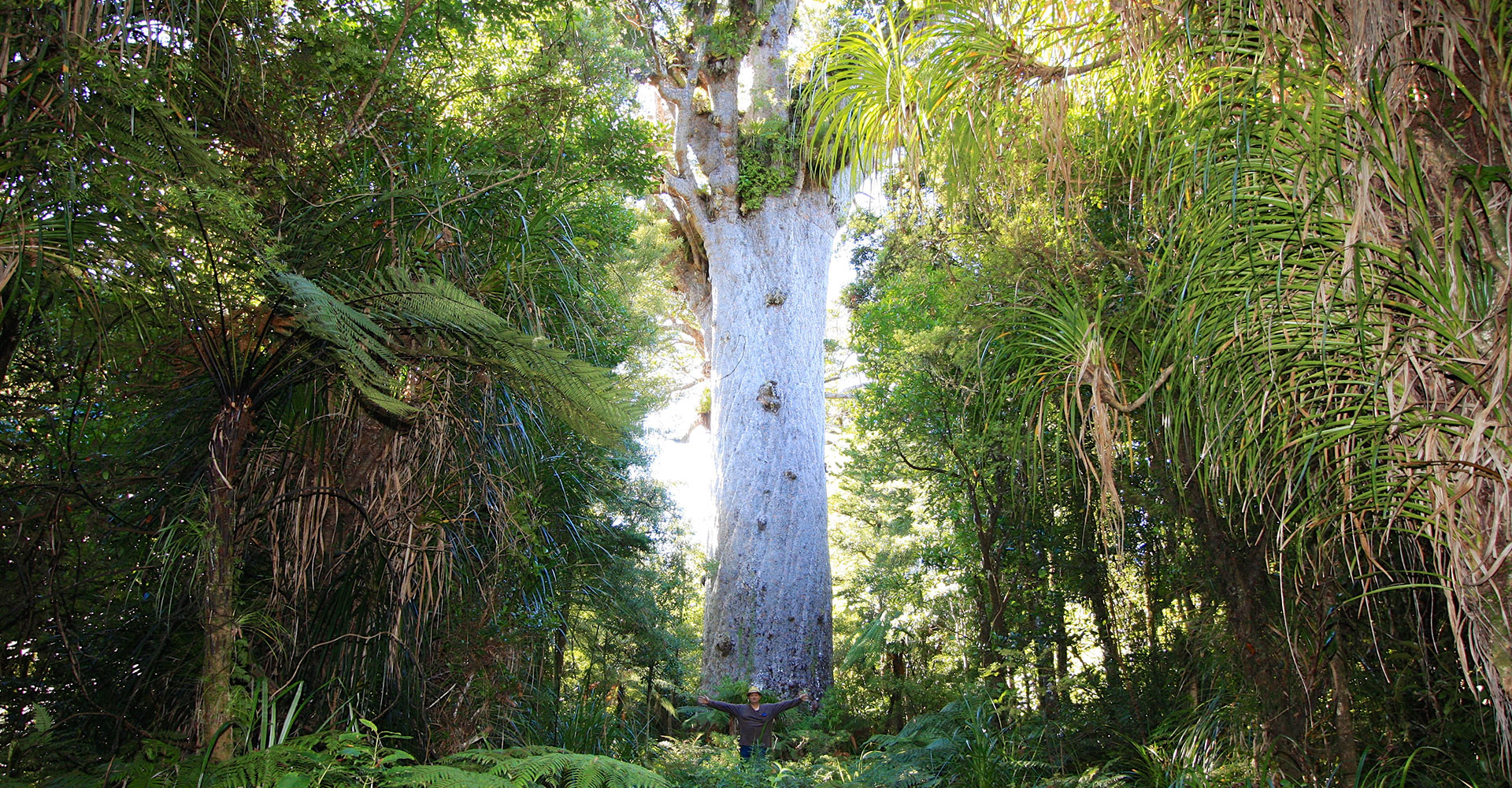
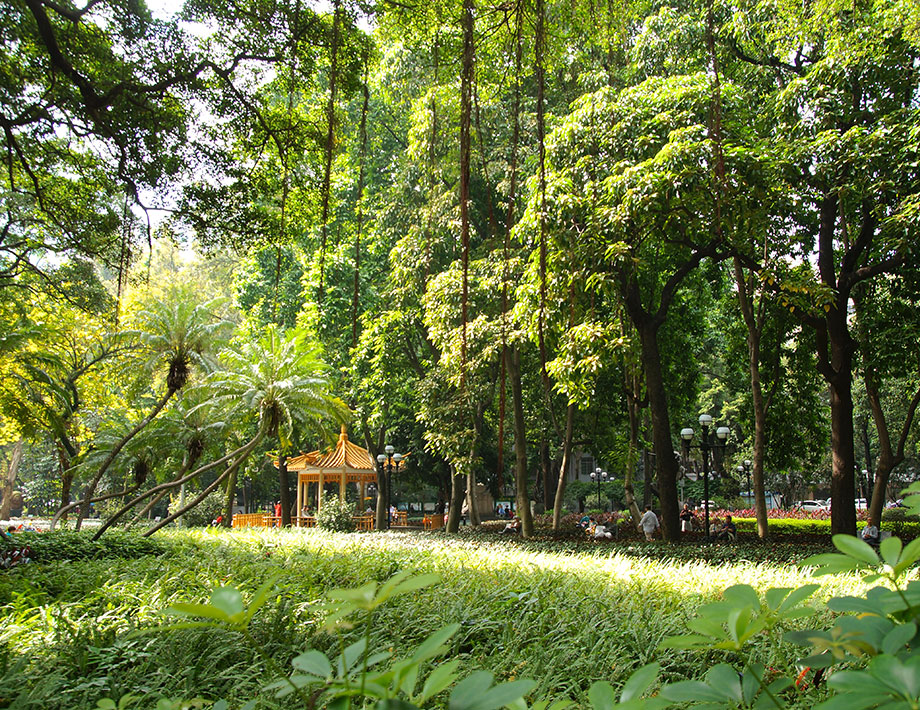
resilience. In just a decade, the megacity restored wetlands, forests, and rivers –
demonstrating how nature-based solutions can lead the way in climate adaptation.
Why do we need a shift in the planning of urban open spaces? Warum brauchen wir einen Wandel in der Planung urbaner Freiräume?
We absolutely need a shift, because for too long we have treated parks and green spaces as decorative afterthoughts, the nice-to-haves in our cities. But the reality is, they are essential, they are critical infrastructure. The challenges of climate change, public health, and social equity demand that we see them as hard-working systems. They cool our cities, they manage stormwater, they support biodiversity, and they are fundamental to our mental and physical well-being. The shift is from thinking of them as ornaments to recognizing them as the vital life support system for our cities. It’s putting the landscape at the forefront – not as a nice decorative nice-to-have afterthought at the end of the process.
What is the international federation of landscape architects (IFLA)?
IFLA is the global voice for Landscape Architects. We connect and represent over 100,000 professionals across 82 countries and territories. Our main role is to champion the profession on the world stage, working with organizations like the United Nations, and to ensure the landscape is central to solving global challenges. We also promote high standards of education and practice, helping our members to create healthier, more resilient, practice, and more beautiful places for everyone.
What connects the works of landscape architects around the world?
I think this is a great question. I think what truly connects us all, whether you are in Sao Paolo, Seoul, or Stockholm, is a deep-seated belief in the power of nature and design to improve people’s lives. We share a common language of ecology and commitment to stewardship. At its heart, our work is about healing. Healing the land, strengthening our communities and healing the people. That shared purpose is a powerful bond that actually transcends borders. Landscape has no borders. So putting nature at the forefront of what we do.
What did you learn from indigenous knowledge that could inspire urban planning globally?
From my context here and what we do in New Zealand, I think one of the most powerful Maori concepts we have is kaitiakitanga or guardianship. And I think this is very, very inspiring. It teaches us that we are temporarily custodians of the land with a deep responsibility to take care of it for future generations. Modern planning is often driven by short-term cycles and sometimes political cycles, but kaitiakitanga asks us to consider the impact of our decisions seven generations from now. Imagine if every new development was guided by that principle. It would fundamentally shift our focus from extraction to regeneration.
What gives you hope when you think about the future of cities and landscapes?
I think without doubt it’s the next generation. I’m constantly inspired by the passion, creativity, and activism of our students and the young landscape architects around the world. They aren’t just designing spaces. They are demanding climate and social justice through their work. They see the challenges clearly and they are creating the solutions. They, and the growing global recognition that our profession is essential gives me an immense optimism for the future. The world cannot survive without landscape architects. It’s not just bragging that we are the profession of the future because we are. We need landscape. We need nature in order to survive.
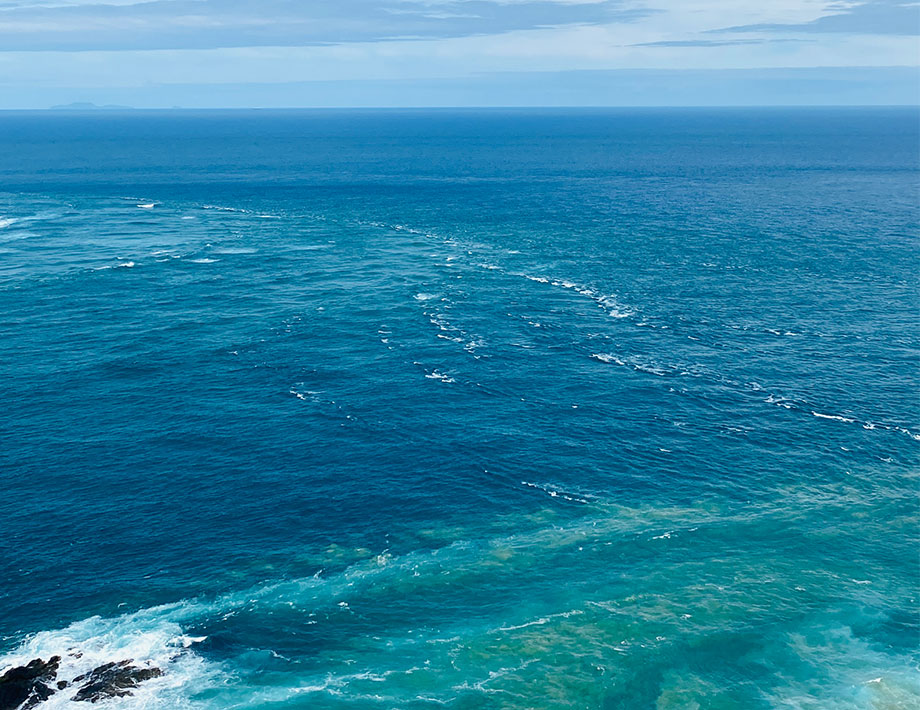
meet in a dramatic convergence of currents. For the Māori, this is where male and female waters come together—an ancestral union that symbolizes balance, regeneration, and the spiritual gateway between life and the afterlife.
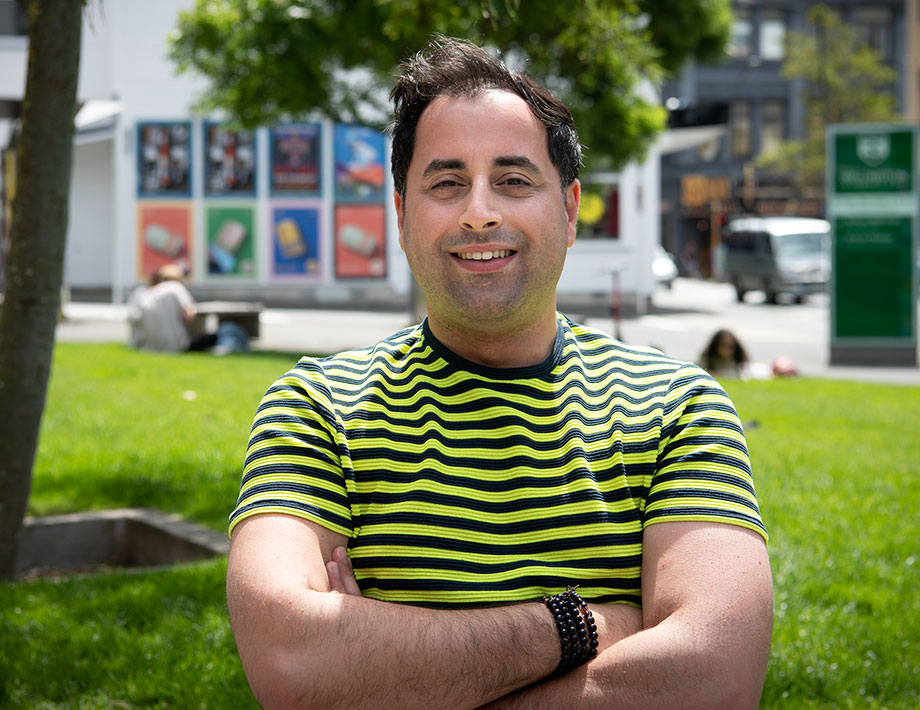
Biography
Dr. Bruno Marques is a landscape architect and educator. After completing his studies in Lisbon (Portugal), Berlin (Germany) and Otago (New Zealand), Dr. Marques has practised in Germany, Estonia, the United Kingdom and New Zealand, having an extensive portfolio of projects. At Victoria University of Wellington in New Zealand, he has spent the past eleven years shaping a research agenda on landscape rehabilitation, cultural heritage, and Indigenous wellbeing. He is currently the Associate Dean for the Faculty of Architecture and Design Innovation and the President of the International Federation of Landscape Architects (IFLA).